
The United Arab Emirates has vowed to “strike back” against Iran after the latest round of attacks on oil and gas facilities within UAE territory. The latest statements come after the Pentagon announced that it had carried out strikes on small boats used by Iran to attack commercial vessels in the Strait of Hormuz, which then led to a fresh round of Iranian strikes.
A spokesperson for the UAE government confirmed that Iranian missiles and drones struck multiple infrastructure targets within the country.
This marked the first such Iranian strikes on the UAE since a fragile U.S.-Iran ceasefire took effect in early April. The ceasefire, which was initially a two-week agreement mediated by Pakistan on April 8 and later extended, has effectively ended amid ongoing tensions over the Strait of Hormuz.
The United States has continued operations against Iranian mine-laying vessels in the strait throughout the ceasefire period, with orders issued as recently as April 24 authorizing the U.S. Navy to destroy suspected Iranian fast boats attempting to deploy mines or disrupt shipping. Earlier strikes in March destroyed at least 16 Iranian mine-laying vessels near the strait as part of efforts to maintain open passage for commercial shipping.
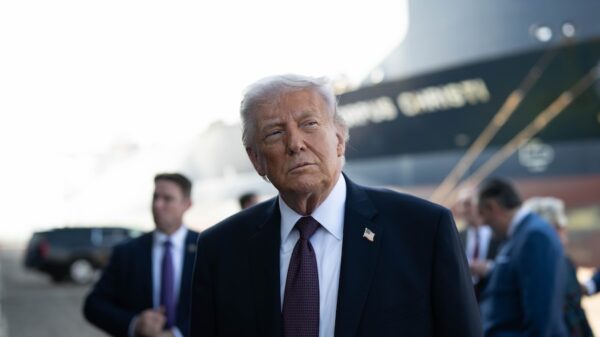
Today’s strikes come just under 24 hours after President Donald Trump indicated that the U.S. Navy advanced plans to escort vessels through the strait, which has been effectively closed since hostilities erupted on February 28. Prior to the start of the conflict, roughly one-fifth of global oil exports traveled through the Strait of Hormuz. Its closure has caused significant volatility in global oil markets.
BREAKING: The Fujairah port is burning after multiple Iranian strikes hit the only remaining UAE oil export outlet and endpoint of the pipeline UAE built to bypass the Strait of Hormuz. pic.twitter.com/ooe3JBVWRd
— The Hormuz Letter (@HormuzLetter) May 4, 2026
Iranian attacks on the UAE Monday targeted key infrastructure, including an ADNOC-linked oil tanker in the Strait of Hormuz and the Fujairah Oil Industry Zone, a critical oil export and storage hub. UAE air defenses intercepted three cruise missiles over territorial waters, with a fourth splashing into the sea, along with additional ballistic missiles and drones.
A fire was confirmed at a petroleum manufacturing site in the Fujairah area, attributed to a drone attack or debris from interceptions. Three Indian nationals were reported injured in Fujairah, and no additional casualties or significant structural damage have been reported as of this time.
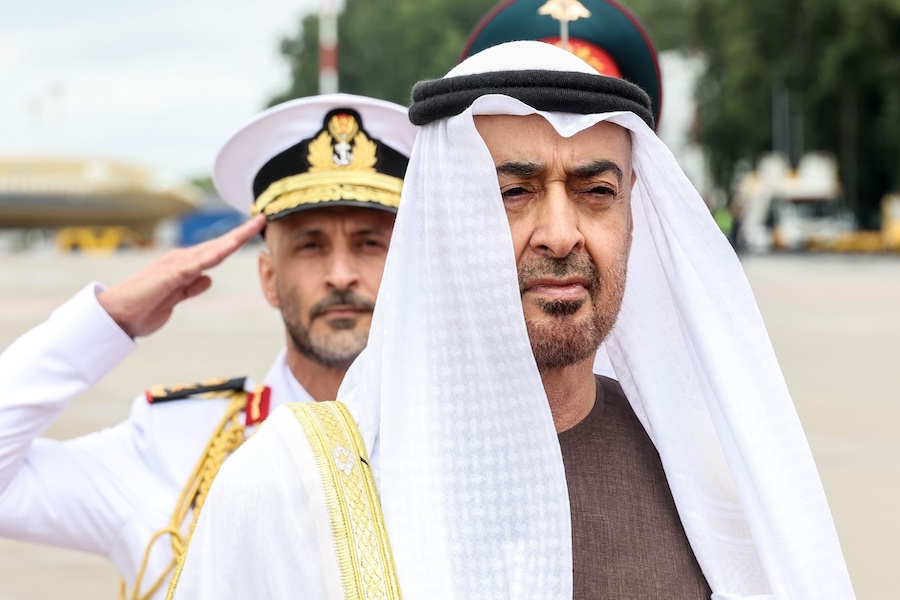
In response to the renewed Iranian strikes, UAE officials have indicated that they reserve the right to strike back against the Iranian regime. “The UAE emphasized that it will not tolerate any threat to its security and sovereignty under any circumstances, and that it reserves its full and legitimate right to respond to these unprovoked attacks in a manner that ensures the protection of its sovereignty, national security, territorial integrity, and the safety of its citizens, residents, and visitors, in accordance with international law,” the UAE’s foreign affairs office said in a statement.
“The Ministry further underscored that targeting civilians and civilian infrastructure is unequivocally condemned and rejected under all legal and humanitarian norms, stressing the need to immediately halt these attacks and ensure full compliance with the cessation of all hostilities. The UAE holds Iran fully responsible for these unprovoked attacks and their repercussions.”
One senior UAE defense official told Israeli outlet Channel 12 that the nation intends to “strike back” against Iran following the latest round of attacks.
President Trump has long called on U.S. allies, including those in the region, to participate in offensive operations against Iran in order to re-open the Strait of Hormuz.