
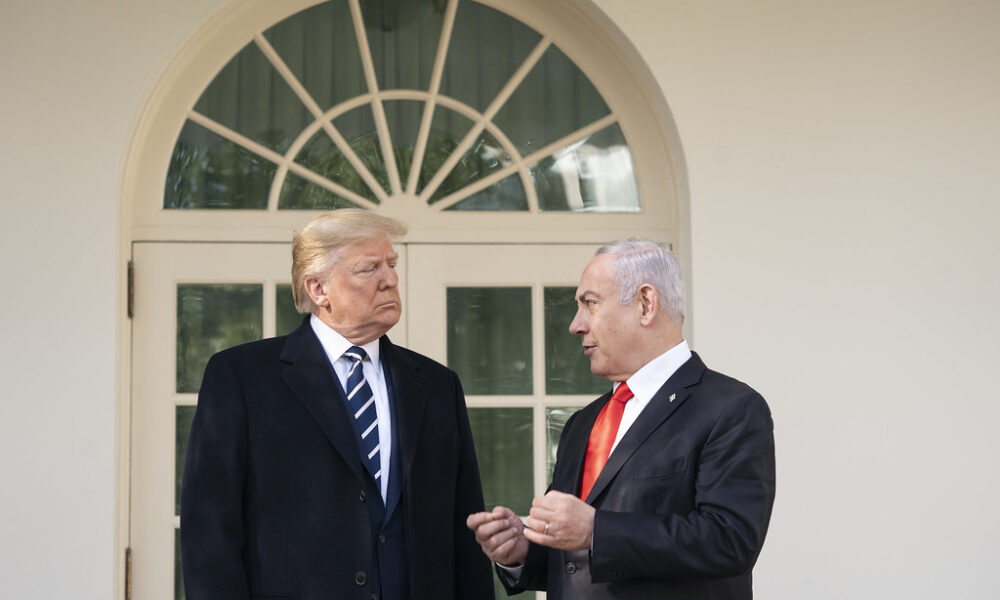
Units of the Israeli Defense Forces (IDF) have launched a series of counter attacks against targets in Iran after Tehran launched a number of ballistic missiles earlier in the day. The strikes come just hours after U.S. President Donald Trump told Israeli Prime Minister Benjamin Netanyahu to refrain from retaliation in a tense phone call.
The sequence began with Israeli airstrikes on Hezbollah targets in Beirut’s southern suburbs earlier on June 7. Israel had earlier agreed to refrain from striking targets in Beirut as part of a framework for a lasting detail, but stated that Sunday’s strikes in Lebanon were in response to Hezbollah rocket fire targeting northern Israel.
Iran had previously warned that attacks on Beirut would prompt a response. Shortly afterward, Iran’s Islamic Revolutionary Guard Corps (IRGC) launched ballistic missiles at Israel in what it described as retaliation, codenamed as part of Operation True Promise.
Israeli defense systems, including Iron Dome and Arrow, intercepted all projectiles shortly after launch. Israeli officials stated that no casualties were recorded as a result of the attacks.
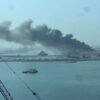
Around 9:30 p.m. Eastern Time, Israeli forces launched a number of strikes against Iranian targets in retaliation. Explosions were reported in a number of locations, including Tehran, Tabriz, and Isfahan. Israeli officials stated that the military targeted Iranian military sites, potentially including IRGC facilities near Isfahan.
Details on the precise targets, scale of damage, or Iranian casualties remained limited in initial reporting.
The initial wave of Israeli precision strikes across Iran hit a highly strategic military grid tonight. OSINT mapping confirms coordinated kinetic impacts targeted the following specific facilities:
• Mehrabad Airport logistics hangars in Tehran
• An advanced drone assembly… pic.twitter.com/5wTub98HSX— X-K (@ConflictRadarME) June 8, 2026
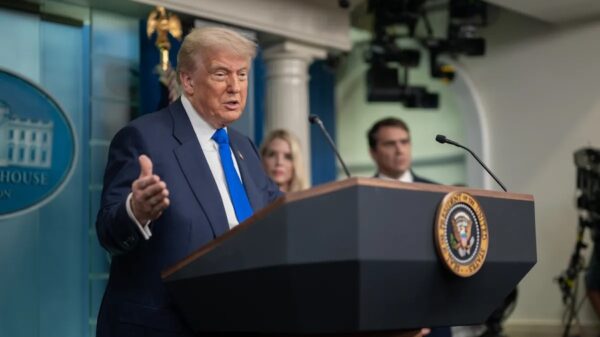
Sunday night’s developments occurred just hours after President Donald Trump urged Netanyahu to refrain from retaliation. In a telephone interview with the Financial Times, Trump said Israeli Prime Minister Benjamin Netanyahu would have no choice but to accept any deal the United States negotiates with Iran.
“He won’t have any choice. I call the shots. I call all the shots. He [Netanyahu] doesn’t call the shots,” Trump told the outlet.
The president emphasized that Israel should exercise restraint in order to secure a lasting peace agreement in the conflict. Trump stated that the attack “is not going to have any impact on the deal. We’ll see how it ends up. But they [the missile strikes on Israel] were attacks that did not kick at all. It’s one of those things that’s been going for 3,000 years, or 47 years, depending on how you count.”
Trump further indicated in his responses to reporters that he was “not happy” with the Israeli strikes carried out in Lebanon earlier in the day. He described those actions as uncoordinated with the United States and expressed the view that they risked complicating ongoing diplomatic initiatives with Iran.
Iran’s response to the Israeli strikes on its territory included confirmation of the missile launches earlier in the evening as a “warning” tied to events in Lebanon. Iranian officials indicated that further Israeli actions could elicit stronger measures in response.
Initial reports did not detail additional immediate Iranian counterstrikes beyond the earlier missile waves, though the situation remained dynamic with potential for further exchanges.
As of this report, Israel has not publicly detailed plans for continued operations.
This is a developing story. Additional details will be provided as they become available.