
California is fighting efforts by the Trump administration to examine its voter rolls, setting up a legal showdown as questions mount over the state’s election practices and concerns about potential voter fraud.
Bill Essayli, the top federal prosecutor in Los Angeles, said Sunday that his office is pushing for a closer look at California’s election system amid scrutiny surrounding late-arriving votes that have benefited Democratic candidates.
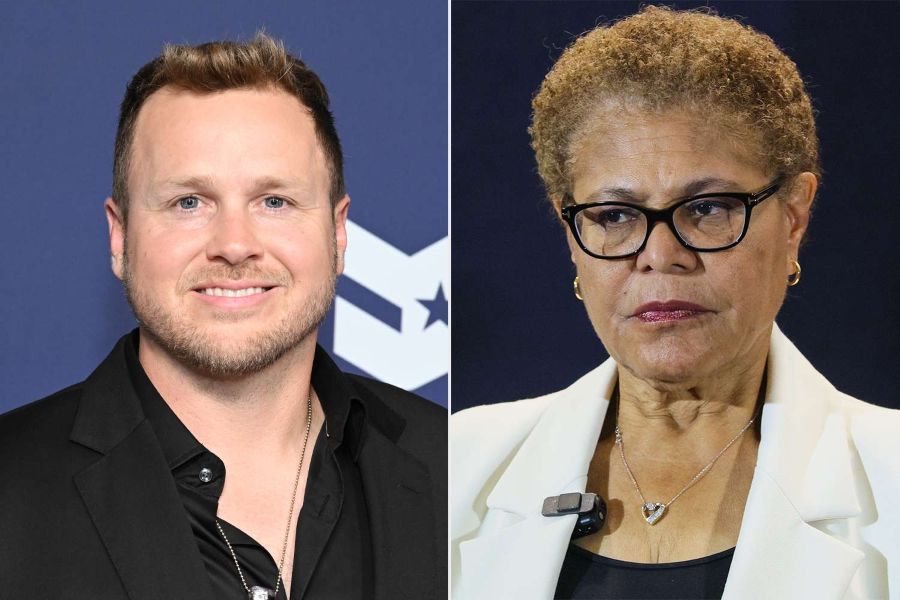
The issue has drawn fresh attention following the recent Los Angeles mayoral primary, where Democrat Nithya Raman appeared headed for defeat on election night and was visibly emotional as early returns showed her running in third place. But after additional ballots were counted in the days that followed, Raman surged into second place and secured a spot in the runoff, prompting critics to question the dramatic shift and renew calls for greater transparency in California’s vote-counting process.
“California allows first-time voters to register using forms of ID that most Americans would find surprising,” Essayli wrote in a post on X Sunday, pointing to examples including health club membership cards, employee IDs, credit and debit cards, prescription drug labels and insurance cards.
Those forms of identification are allowed under California regulations in certain situations when a voter does not provide a driver’s license number or Social Security number during registration.
“Our office believes this policy deserves a closer look,” he wrote. “If California genuinely wants voters to trust its elections, it should open its records, not fight to keep them closed. What are they afraid of?”
Essayli also questioned whether California is properly maintaining its voter rolls by removing deceased individuals, people who have moved out of state, and those convicted of felonies that would disqualify them from voting.
WATCH: Spencer Pratt Opponent Starts Crying After Finishing Election Night In Third Place
“On top of that, California allows third parties to collect and turn in ballots on voters’ behalf (a practice known as ballot harvesting) with few restrictions,” he wrote. “This makes it difficult to track who actually received, completed, and submitted each ballot.”
The federal government has sought access to California’s statewide voter registration database for more than a year as part of a review into whether the state is complying with federal election laws aimed at preventing voter fraud and maintaining accurate records.
Essayli shared an August 2025 letter from the Justice Department’s Civil Rights Division to California Secretary of State Shirley Weber. In the letter, federal officials requested access to the voter registration list to evaluate compliance with maintenance requirements under the National Voter Registration Act and the Help America Vote Act.
The DOJ argued that federal law gives the attorney general the authority to obtain election records and independently review voter registration systems.
RELATED: Spencer Pratt Torches Woke Millionaire Actress Over Red Carpet ‘Resistance’ Comments
“California cannot limit the Justice Department’s access to mere inspection of the requested voter registration records,” the department led by Harmeet Dhillon wrote.
“The Justice Department is entitled to a full and complete copy of those records in the form in which California maintains them.”
Federal officials also requested copies of all voter registration applications submitted between Dec. 1, 2023, and July 1, 2025. They argued that federal election laws override the privacy restrictions California has cited in refusing to turn over the records.
According to Essayli, the dispute has now landed before the Ninth Circuit Court of Appeals.
Under California law, voters are generally required to provide a California driver’s license number, a state identification number or the last four digits of a Social Security number when registering. Applicants who do not have those forms of identification may be assigned a unique identifying number by election officials.
State regulations also provide a lengthy list of acceptable documents for first-time federal election voters who must verify their identity under the Help America Vote Act.
Download the FREE Trending Politics App to get the latest news FIRST >>