
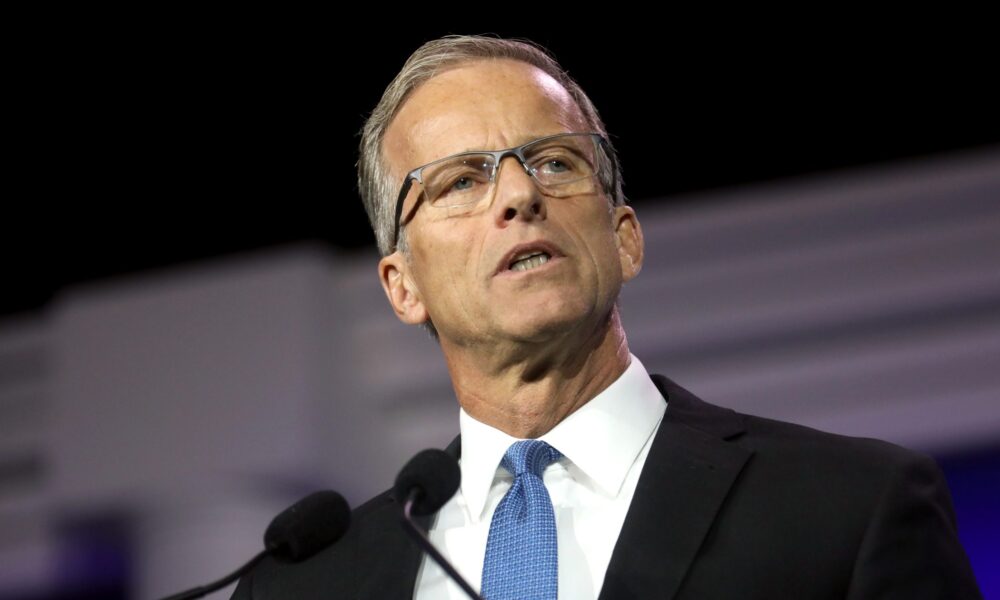
Senate Majority Leader John Thune (R-SD) on Thursday decided to send senators home for the Memorial Day recess without completing action on a major reconciliation bill. The move means that Department of Homeland Security (DHS) will not be fully funded — including funding for U.S. Immigration and Customs Enforcement (ICE) and U.S. Customs and Border Protection (CBP) — for the near future,
Congressional recesses, also called state or district work periods, are scheduled breaks when the House and Senate do not hold floor sessions in Washington. During these times, members return to their home states and legislation is placed on hold.
The U.S. Senate’s 2026 calendar designates several such periods, including one from late May encompassing Memorial Day
In this case, the decision to proceed with the recess follows efforts to advance a reconciliation package focused on immigration enforcement funding, including resources for ICE and Border Patrol. Reconciliation allows certain budget-related bills to pass with a simple majority, bypassing the filibuster.
The bill has been met with pushback from a number of Republican senators, however, according to a report from Punchbowl News.
A key point of contention is the Department of Justice’s newly announced approximately $1.8 billion “anti-weaponization” fund. This fund aims to compensate individuals who claim they were targeted by prior administrations’ prosecutorial actions, such as the ruthless prosecution of January 6 protesters, pro-life activists and President Donald Trump’s leading political allies during the Biden Administration.
Some Republican senators have expressed reservations about the fund’s scope, potential eligibility and broader political implications during the midterm election cycle. Punchbowl News reported that multiple senators expressed opposition to payouts to January 6 defendants during Thursday’s meetings.
Senate leaders, including Thune, have indicated openness to adding restrictions or conditions on the fund’s use, possibly through the reconciliation vehicle or other legislative means. Thune has publicly noted he does not see a strong purpose for the fund in its current form.
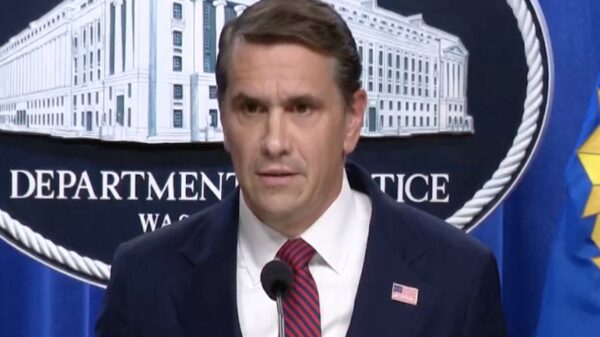
On the same day, Acting Attorney General Todd Blanche met with Senate Republicans in a private session described in multiple outlets as lengthy and at times tense. The meeting, which lasted over 90 minutes, focused on defending and explaining the DOJ fund.
Senators such as Susan Collins (R-ME) expressed that they had not been convinced of the need for the fund. Other members, including those not seeking re-election like Thom Tillis (R-NC), voiced strong concerns about optics and specific potential payouts, according to a report from CNBC.
This meeting followed Blanche’s recent public testimony before a Senate Appropriations subcommittee, where Democrat senators sharply questioned the fund and other DOJ matters. The private GOP session aimed to resolve internal questions ahead of further legislative steps.