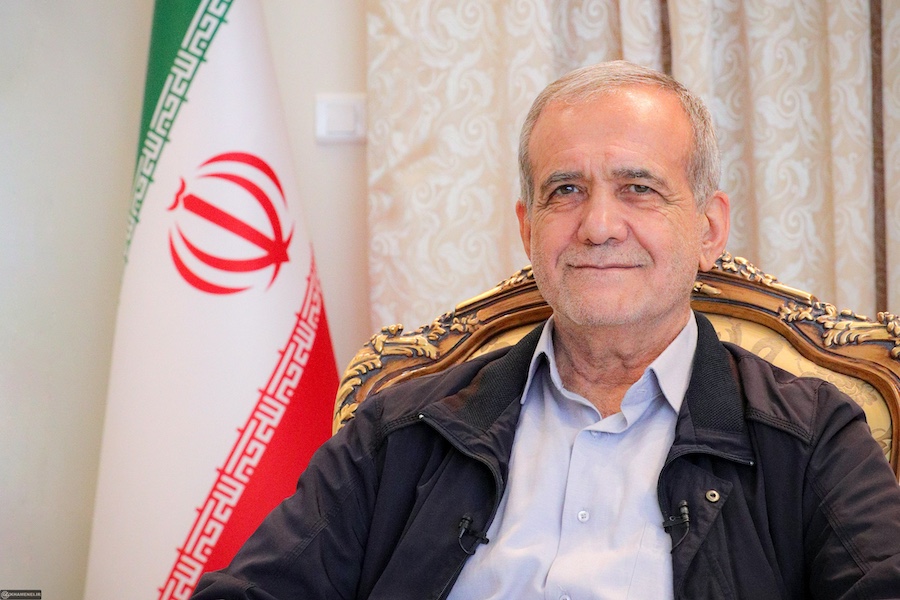
Iranian President Masoud Pezeshkian has reportedly submitted a letter of resignation to the Office of the Supreme Leader, according to a report from Iran International.
The news outlet, citing a source familiar with the matter, stated that Pezeshkian cited the Islamic Revolutionary Guard Corps (IRGC) commanders’ dominance over key decision-making processes, which he described as preventing him from fulfilling his governmental responsibilities.
In a reported letter reviewed by Iran International, Pezeshkian indicated that under current conditions, he could not effectively lead the administration or carry out his legal duties. He then requested immediate approval to step down, according to the report.
Iran International described the move as stemming from the president’s view that executive authority had shifted significantly toward IRGC elements, thus limiting the elected government’s role in major policy areas, including security and strategic matters
Iranian officials quickly denied the reports. Representatives from the government’s information council and the president’s office characterized the claims as false and part of external psychological operations aimed at undermining the leadership.
Pezeshkian also reportedly continued public activities, including appearances that aligned with ongoing state functions, as the story circulated. No official confirmation or acceptance of any resignation has been issued by the Supreme Leader’s office or other state bodies as of this report.
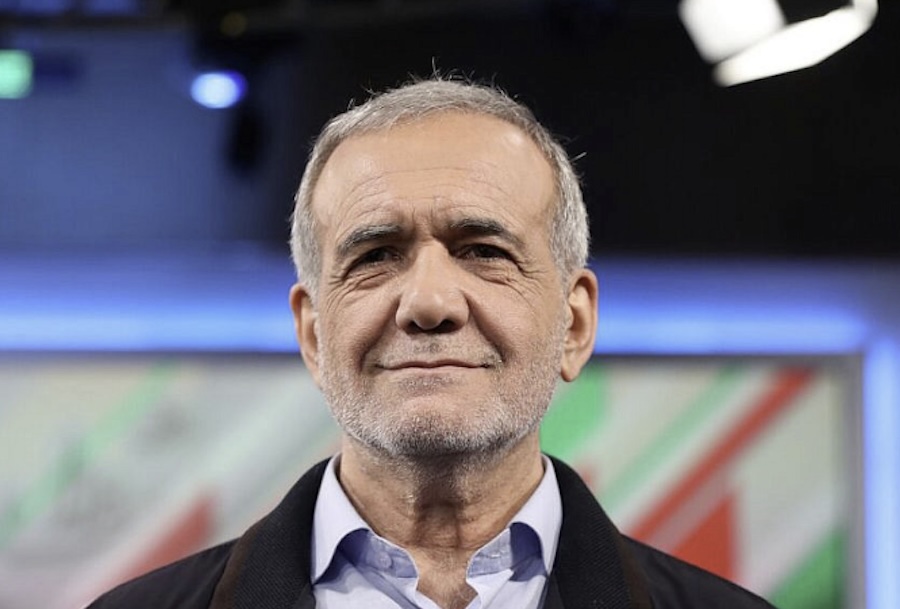
Iranian President Masoud Pezeshkian
Pezeshkian, a former heart surgeon who has long been viewed as one of the more moderate figures in the Iranian leadership structure, has faced challenges in asserting civilian oversight amid broader power dynamics. Sources cited in various reports over recent months have pointed to disagreements over economic management, responses to regional conflicts, and the balance of authority following periods of heightened military activity involving Israel and the United States.
The reported resignation offer arrives as Iran engages in negotiations with the United States. U.S. and Iranian negotiators have reached tentative agreements to extend a ceasefire for 60 days, reopen the Strait of Hormuz to shipping, and initiate discussions on Iran’s nuclear program.
It is unclear whether a leadership change at the presidential level, if realized, would substantially alter the trajectory of these peace talks. The Supreme Leader’s office and IRGC hold significant influence over strategic and nuclear policy, suggesting that core negotiating positions may remain consistent regardless of the president’s status.
However, any confirmed transition could introduce short-term uncertainty in diplomatic channels, depending on the successor’s approach and the timing relative to ongoing discussions.
RELATED: Trump Announces Crucial Iranian Concession As Peace Talks Progress