Raymond Berry, the Colts great who helped turn the NFL’s passing game into prime-time theater and later coached the New England Patriots to their first Super Bowl, has died. He was 93.
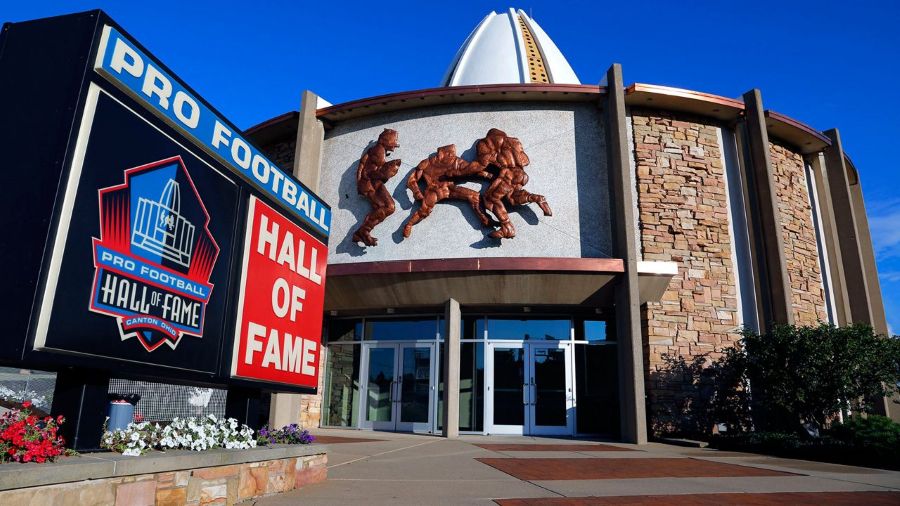
The Pro Football Hall of Fame announced Berry’s death Monday. A two-time NFL champion as a player in Baltimore and a Hall of Fame inductee in 1973, Berry finished his career as the league’s all-time leader in catches and receiving yards at a time when wide receivers were still treated like a luxury, not a necessity.
Berry spent all 13 of his playing seasons with the Baltimore Colts, catching passes from Johnny Unitas in one of the first truly iconic quarterback-receiver pairings. Unitas supplied the cannon. Berry supplied the precision, the sure hands and the routes that made defensive backs look like they were chasing ghosts.
When Berry retired after the 1967 season, his résumé read like a blueprint for a modern No. 1 receiver. He was a six-time Pro Bowl selection, a three-time first-team All-Pro and a three-time league leader in receptions and receiving yards. He finished with 631 catches, 9,275 yards and 68 touchdowns, numbers that were loud in an era that loved to run the ball and rarely apologized for it.
Berry’s story also had the kind of grit football fans respect. He was not built like a track star and did not play like one. He dealt with poor eyesight, wore a back brace and had special shoes because one leg was shorter than the other due to a spinal misalignment. He was drafted in the 20th round in 1954 after catching just 33 passes in three college seasons at SMU, then spent early years fighting for a roster spot before becoming a weekly problem for defenses.
What Berry lacked in flash, he made up for with repetition and detail. He became known as one of the sport’s cleanest route runners and most reliable targets, and he almost never put the ball on the ground. Across 13 seasons, he fumbled once.
With Unitas running the show, Berry became a centerpiece. From 1956 through 1966, he recorded at least 600 receiving yards every season. From 1957 through 1966, he caught at least 40 passes each year, an annual baseline that would have sounded ordinary today but was a major statement in that era’s offenses.
His finest snapshot came on the biggest stage. In the 1958 NFL Championship Game at Yankee Stadium, the Colts beat the New York Giants 23-17 in sudden-death overtime, a game later christened “The Greatest Game Ever Played.” It was the first NFL title decided in sudden-death OT and became a national showcase that helped push pro football into a new popularity tier.
We are deeply saddened to learn of the passing of @ProFootballHOF wide receiver and former Patriots head coach Raymond Berry.
We extend our deepest condolences to his family, friends and everyone who loved him. pic.twitter.com/dk3b5YAJqG
— New England Patriots (@Patriots) June 1, 2026
Unitas is often the headline from that afternoon, and Alan Ameche’s 1-yard plunge ended it. But Berry was the constant chain-mover who kept the Colts alive. He piled up 178 receiving yards and caught Unitas’ lone touchdown pass. His 12 receptions set an NFL championship game record that stood for 55 years. On the overtime drive that set up the winning score, Berry had two catches for 33 yards. On the late regulation drive that forced overtime, Unitas went to him three straight times for 62 yards to set up the tying field goal.
A year later, Baltimore beat the Giants again, 31-16, in the 1959 title game at Memorial Stadium. Berry had five catches for 68 yards. The Colts reached the championship game again in 1964 but were shut out 27-0 by the Cleveland Browns.
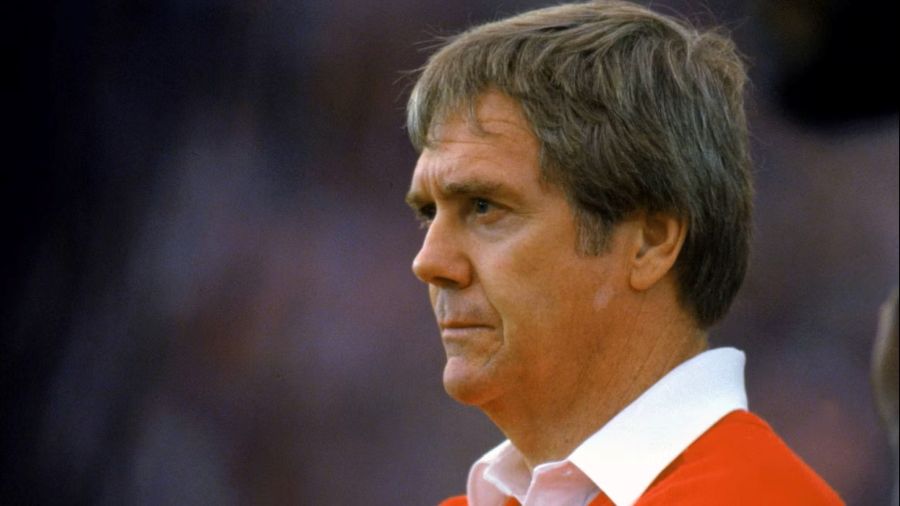
Raymond Berry
Berry played for Hall of Fame coaches Weeb Ewbank and Don Shula in Baltimore, then moved into coaching almost immediately after his playing days ended. He coached wide receivers for the Dallas Cowboys in 1968 under Tom Landry, then held assistant roles with the Detroit Lions, Browns and Patriots.
New England promoted Berry to head coach ahead of the 1984 season, and he delivered stability and real wins. Over six seasons, Berry went 48-39 and produced four straight winning seasons. His best run came in the 1985 season, when the Patriots, a wild-card team, became the first franchise to reach the Super Bowl by winning three playoff games on the road. New England’s ride ended in a 46-10 loss to the Chicago Bears, but the trip marked the first Super Bowl appearance in Patriots history.
Berry followed that breakthrough with another strong regular season in 1986, but the Patriots were bounced early in the postseason. New England would not return to the playoffs again until 1994. Berry was fired after the 1989 season following reported disagreements with team leadership over staff structure and how to reshape the roster.
He returned to assistant coaching roles for a short stretch, working as a quarterbacks coach with the Lions and Denver Broncos in the early 1990s, then largely stepped away from the sideline.
Berry’s legacy is stamped into the NFL’s early modern era, when the league’s best teams began trusting the pass to win championships. He was a quiet underdog who turned technique into dominance and made a living embarrassing coverage with timing, leverage and hands that did not crack under pressure.
By the time he was finished, the numbers were undeniable, the moments were historic and the standard was set. In Baltimore and later in New England, Berry helped build the kind of football that now runs the league.
Download the FREE Trending Politics App to get the latest news FIRST >>