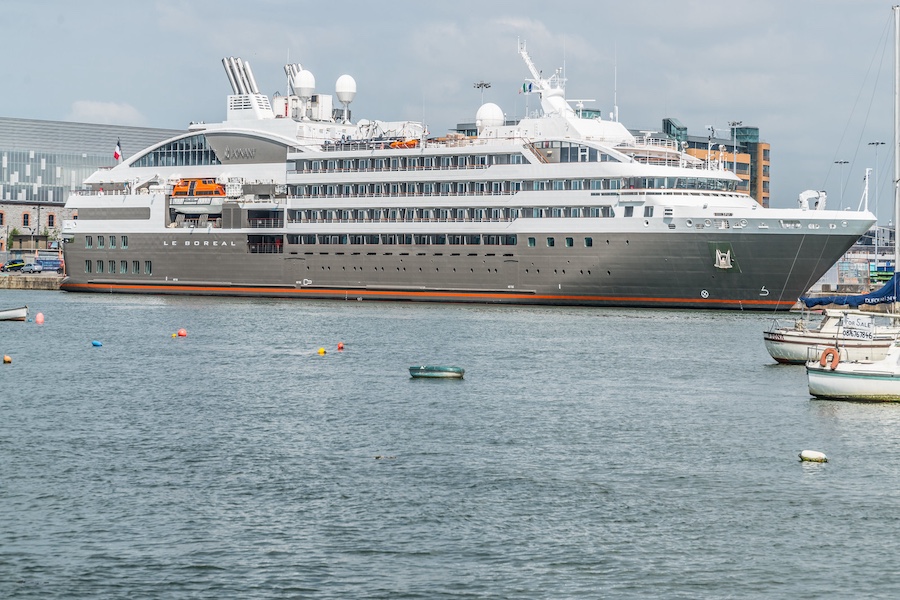
A deadly hantavirus outbreak tied to a remote expedition cruise has now reached Europe, after a passenger from the stricken vessel tested positive upon returning home, officials said Wednesday.
Swiss health authorities confirmed the man fell ill after leaving the MV Hondius following a South America trip with his wife. He later sought testing at a hospital in Zurich after cruise operator Oceanwide Expeditions alerted passengers to the outbreak.
The virus can remain dormant for up to eight weeks, raising fresh concerns about how far it may have already spread.
Officials have not disclosed the man’s current condition. His wife has not shown symptoms but is self-isolating as a precaution.
Despite the alarming development, Swiss authorities said, “There is currently no risk to the Swiss public.”
That assurance has done little to calm nerves, as investigators look into signs the virus may be spreading through rare “human-to-human transmission” — a major departure from how hantavirus typically spreads.
The illness is usually contracted through exposure to infected rodent droppings. But experts say a rare strain known as the Andes virus can pass between people and carries a mortality rate of about 40 percent.
Maria Van Kerkhove, the World Health Organization’s director for epidemic and pandemic preparedness and prevention, said Tuesday that “we do believe there may be some human-to-human transmission among very close contacts.”
RELATED: Chilling Update Revealed As Cruise Ship Outbreak Rises To Seven Suspected Cases
The outbreak has already killed three people and sickened at least five others, according to the World Health Organization.
Meanwhile, the situation aboard the MV Hondius remains tense.
Three suspected patients were evacuated in Cape Verde and are being transferred to the Netherlands, WHO Director-General Tedros Adhanom Ghebreyesus confirmed Wednesday.
“At this stage, the overall public health risk remains low,” he said.
The ship has been stranded off West Africa after authorities in Cape Verde refused to allow it to dock due to health concerns.
Spain’s central government later stepped in, granting the vessel permission to dock in the Canary Islands — a move that triggered backlash from local officials.
RELATED: WHO Identifies Terrifying Virus That Spreads Person-To-Person As Cause Of Deadly Cruise Ship Outbreak
“I cannot allow it to enter the Canary Islands,” regional leader Fernando Clavijo told Onda Cero.
“Neither the populace nor the government of the Canary Islands can rest assured because it is clear that the danger to the population is real.”
Clavijo has pushed for urgent talks with Prime Minister Pedro Sanchez as tensions escalate between regional and national leaders.
Madrid defended the decision, saying, “Spain has a moral and legal obligation to assist these people, among whom are also several Spanish citizens.”
Under Spain’s constitution, the national government has the authority to override regional objections.
Download the FREE Trending Politics App to get the latest news FIRST >>